Digital cameras rule
By Anthony Batty | 8 August 2005
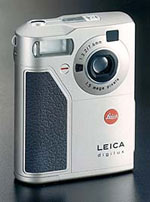 Sky News today covers the news that Dixons, the UK high street electrical retailer, is planning to stop the sale of 35mm cameras because digital cameras are outselling traditional film based ones by fifteen to one. Today £200 will get you a six megapixel camera, when only three years ago you would have to spend more than that to get a three megapixel one. The pace of progress in cameras is caused by the competitive process. But that competitive process is not just a national process: it's international as well. Kodak is an American firm, Leica is German, and Fuji and Nikon are Japanese, while others come from across the globe. But that is not the entire picture because, for example, Kodak's cameras are mainly made in China, despite the company being American.
The very international trade in cameras means we benefit from the research and development done by firms from around the world, not just in our own countries. This is often something that is overlooked with the arguments for "economic self sufficiency". If we adopted autarky, not only would we have to duplicate the factories, but also the research, or - more likely - ignore the new ideas. While this might provide jobs in a particular industry, it would result in a lower standard of living for the country as a whole. Better to let in the ideas from abroad and let our scientists and engineers compete or find other markets to work in.