Blair says "scrap CAP"
By PDS | 5 September 2005
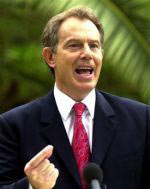 On the eve of British Prime Minister Blair's visit to China and India he has lauded their economic growth which has "lifted literally hundreds of millions of people out of absolute poverty over the past decade." Blair also emphasised how crucial the WTO's Doha round negotiations are for the fight against poverty:
When WTO ministers meet in Hong Kong this December they have a huge responsibility. A successful negotiation can deliver enormous gains to the world economy and lift millions out of poverty. All countries stand to benefit from more trade. But the WTO has not yet responded sufficiently to the needs of developing countries. The key is agriculture. In Africa, increased access to rich countries' markets is an important way to deliver this. But there are many obstacles to overcome - high tariffs, quotas, subsidies and weak capacity.The EU has taken some first steps on agriculture, reforming the Common Agriculture Policy in 2003/4 and opening its markets for the poorest countries. Reform of the sugar regime to address the dumping of surpluses on developing country markets is set to follow this year under Britain's EU presidency. Following the G8 commitment at Gleneagles to set a credible date for the end of agricultural export subsidies, it should be possible at Hong Kong to set a deadline of 2010. But we need to go further. It is our moral responsibility to help those in poverty by allowing them the means to grow and prosper. And it is clearly also in our own economic interest.
Robert Zoellick, the former US trade representative, has stated that the US is ready to scrap farm subsidies if the EU reciprocates (the so-called "zero for zero" option). That would then leave only Japan as the world's major agricultural protectionist.
Blair recognises that if the EU and the US can take the zero for zero option on agricultural subsidies it will be a win-win outcome for the developing world's exporting farmers and the industrialised world's consumers. Raising living standards in the developing world and reducing the cost of foodstuffs for poor families in Europe would be be a double-whammy for global poverty.