The new story of India
By Brian Micklethwait | 29 November 2005
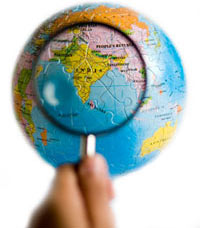 One of the great things about that quintessentially globalised institution, the internet, is that we can read articles about, say, India, by Indians. We get to see the world through local eyes, and not just through the eyes of people who merely happen to have flown to the locality in question in a jet and will shortly be flying home again.
U R Bhat, in this article in the Economic Times, supplies a potted history of India since Independence of the kind that can now be read more and more, in all kinds of places.
First, in the 1950s, Independence is good. Idealists rule India, and rule it well.
But, then, second, as the 1960s become the 1970s and the 1980s, the idealism becomes not so ideal. Power corrupts. The politicians become, well, politicians. India stays poor and the world starts to pass it by. There is a growing sense of crisis.
Then, third, a shining knight in armour rides the rescue. With the reforms of the 1990s, liberalisation and globalisation rescue India from stagnation. A new breed of Indian patriotic hero steps forward, in the form of a new kind of Indian entrepreneur, not beholden to the "the combine" (in U R Bhat's telling phrase), who responds not to the behind-closed-doors instructions of political potentates, but who instead worries about his customers and his employees, both of whom are now getting a gradually better economic deal. The politicians who had previously been in quiet command, now stridently complain about the new India, which they dominate less and less. But what can they do?